
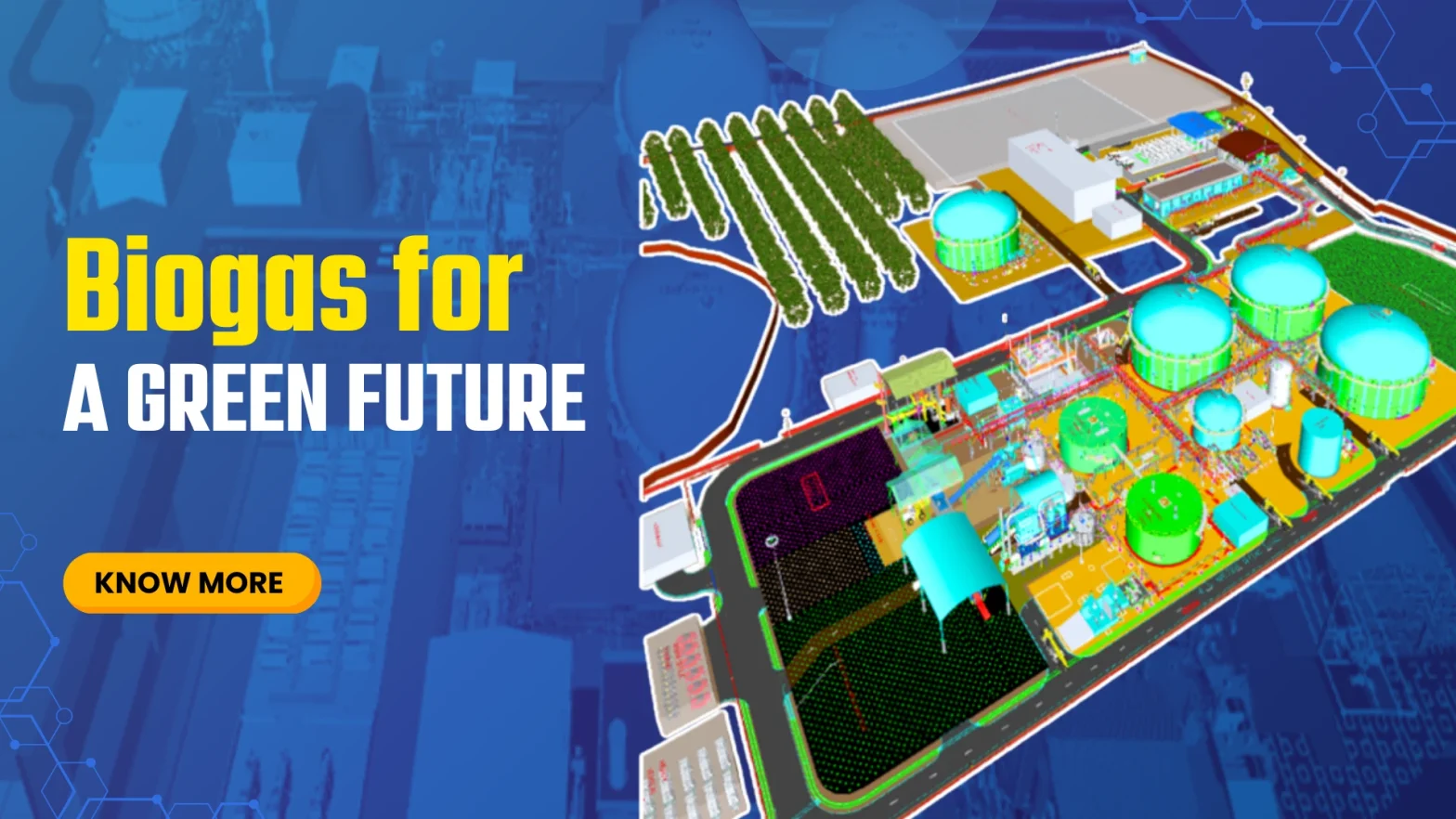
Biogas For A Green Future
Ten years ago, global warming was just hearsay, and we never paid attention to it. Cut to 2026, and we experience the effects of global warming in our everyday lives. Be it heavy downpours or droughts, be it hailstorms or heatwaves, climate change is now impacting everyone. Everyone is talking about resilient infrastructure considering climate change and its impacts, but we are ignoring a few facts.
In 2015, 196 countries signed a legally binding framework, the Paris Agreement, that vows to limit global warming to less than 2°C or 1.5°C by 2030. For this to happen, greenhouse gas emissions (GHG) need to be cut by half compared to 2010 levels. However, today, as we read this article in 2026, we have been able to achieve a reduction in GHG emissions of a mere 2% against the targeted reduction of 45%.
What are the sources of greenhouse gases?
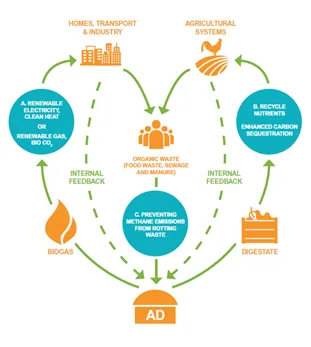
Human beings around the world generate 105 billion tons of organic waste, which includes food waste, agricultural waste, crop residue, and sewage. Only 3% of organic waste is treated or recycled. Untreated organic waste left to rot is the real problem and contributes significantly to methane (a GHG) emissions
Organic waste as a source of renewable energy:
The organic waste so produced has significant latent potential to be an energy source. Anaerobic Digestion is known to humanity for a long time, and now, with technological advances, it has truly unlocked its advantages. It is very versatile and can be installed for a single household, municipality, farmers’ cooperative, dairy farm, poultry farm, piggery, slaughterhouse, or industrial estate. By digesting organic waste anaerobically, we get biogas.
The biogas so produced can be upgraded to methane to be used as a fuel. The digestate or sludge produced in the AD process can be used as organic manure. Organic manures so produced are rich in nutrients and help improve soil composition. Biogas for a Green Future has the potential to replace 33% of the total demand for fossil fuels. Treatment of 105 billion tons of organic waste will require more than USD 100 trillion in investment and has the potential to create 15 million jobs globally.
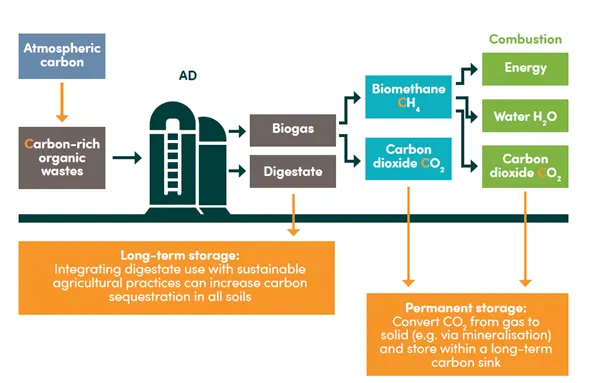
Just to put things in perspective, if 1 million tons of organic waste is treated, it will produce 115 million cubic metres of biogas, which would be equivalent to 650,000 barrels of oil. Compare this with 105 billion tons of organic waste produced globally, and you will come to know the humongous potential of converting organic waste to biogas. This would be a sustainable model of recycle, reuse, and decarbonization has – Biogas for a Green Future is the objective. China, India, the USA, and the EU together have more than 50% of the global biogas potential.
At Pan Gulf Technologies Limited, we have helped many clients engineer Anaerobic Digestion (AD) plants that process agricultural waste, crop residues, and cow dung as feedstock. These plants collectively produce more than 100 tons of biogas every day. We have hands-on expertise in multidisciplinary engineering and a proven track record for AD-based biogas plants.
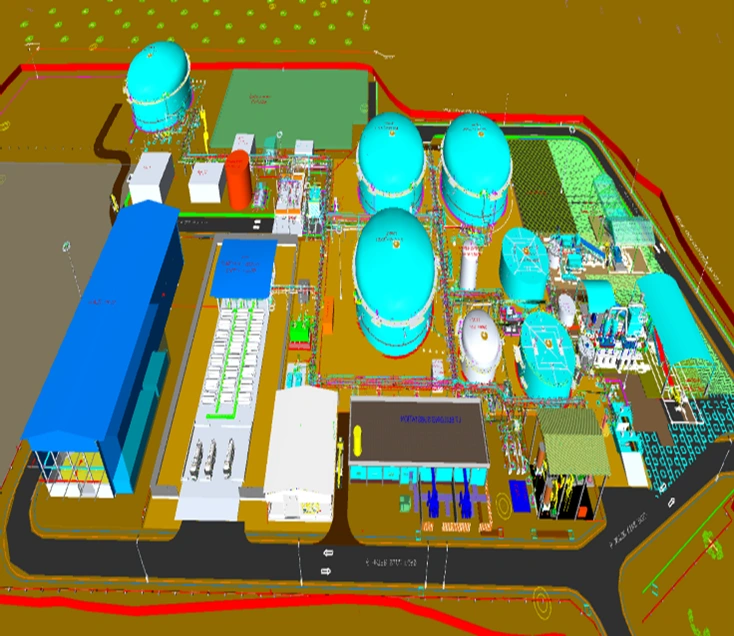
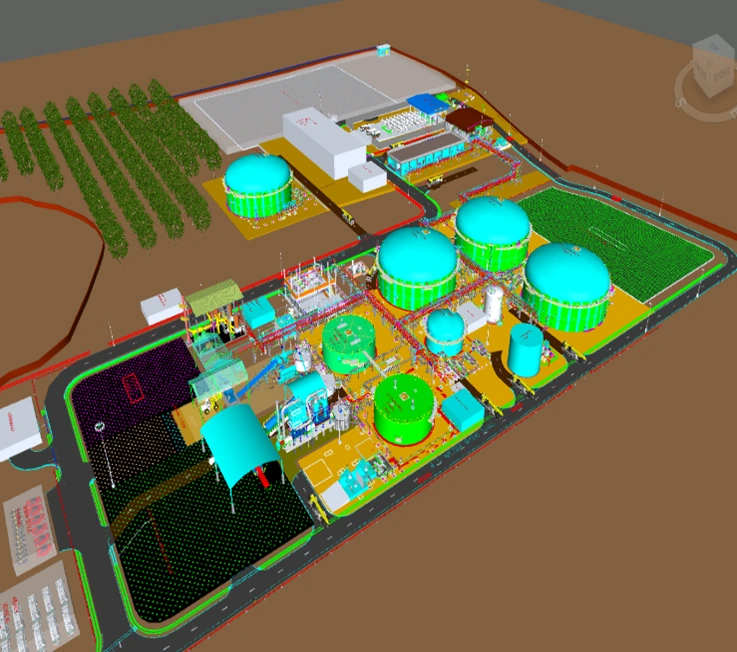
Pan Gulf Technologies Ltd. is committed to protecting our environment, and we know that we owe this planet to the next generation. We would be happy to assist you with your upcoming biogas project. Our team delivers sustainable engineering solutions, advanced design support, and efficient project execution to ensure maximum energy output, reduced emissions, and long-term operational reliability for your renewable energy initiatives.
Blog: Biogas for a Green Future | By Kapil Kale ( Vice President – Plant Engineering )
Reference: World Biogas Association – Report on Biogas: Pathways to 2030 used for Biogas for a Green Future blog.
“Learn more about Pan Gulf Technologies Limited Plant Engineering Services”